
The simple recipe to spot real churn signals before they bite.
Why Your Customer Health Dashboard is Fibbing (And What to Track Instead)
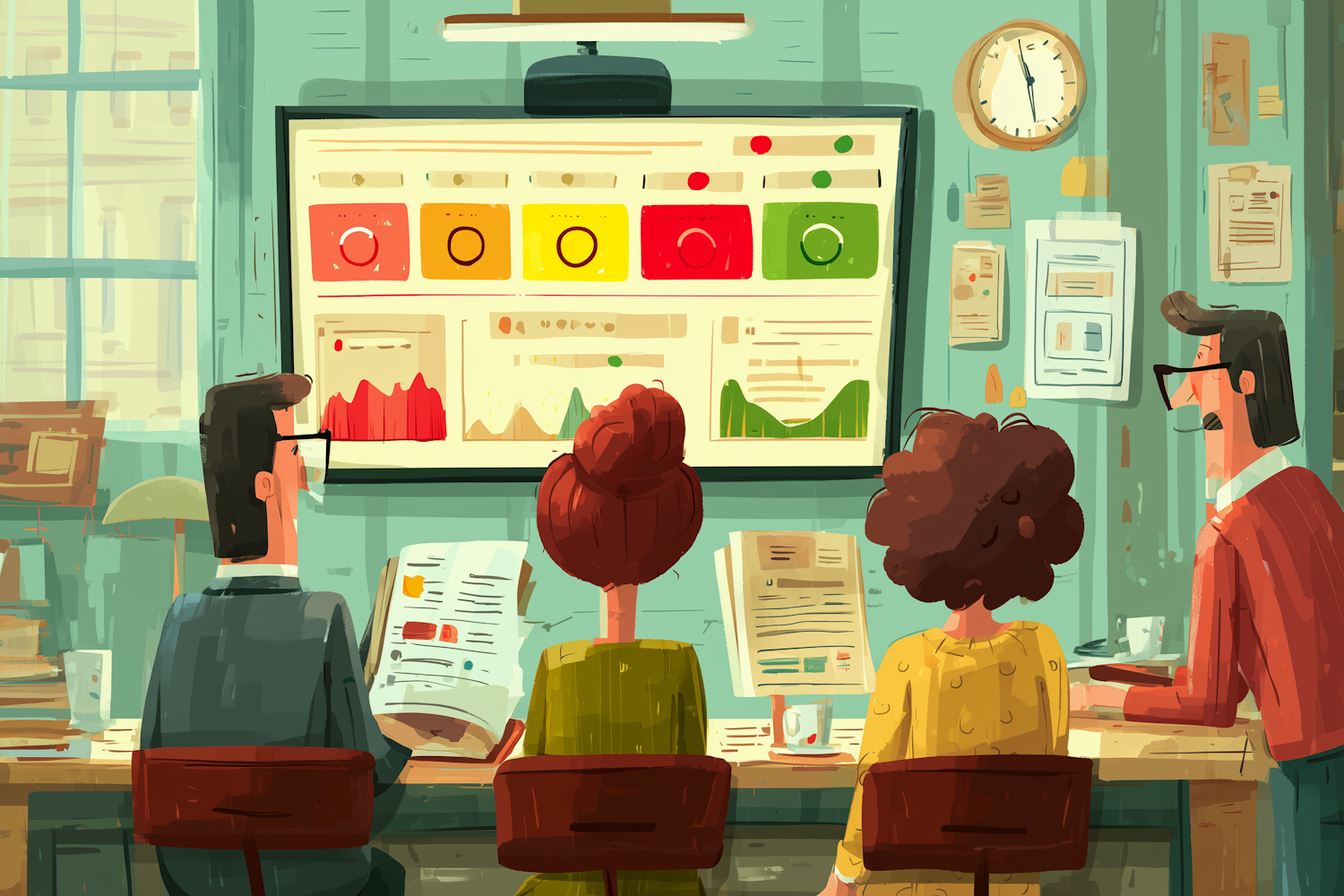
Let me guess: you’ve got a gorgeous customer health dashboard. Traffic light colours, fancy health scores, usage metrics galore. Yet somehow, you’re still getting blindsided by churn announcements that land like a brick through your office window.
Sound familiar? You’re not alone. Product managers across every sector – from retail to restaurants – are discovering that their shiny dashboards are about as reliable as British weather forecasts.
The problem isn’t that the data’s wrong. It’s that it’s telling you what happened, not what’s actually happening behind the scenes in your customers’ world.
When Your Dashboard Becomes a House of Cards
Here’s what’s really going on: your customer health dashboard is like a perfectly arranged window display at a bakery. Everything looks delicious from the outside – the engagement scores are green, the feature adoption is trending up, the support tickets seem manageable. But step into the kitchen, and you’ll find burnt scones, an overwhelmed baker, and customers quietly slipping out the back door because their morning tea experience was rubbish.
Your dashboard shows you the beautiful storefront, but it can’t tell you that Sarah from accounts has been muttering about “that bloody system” for three weeks, or that your biggest client’s CFO just asked their team to “explore alternatives” during their monthly review.
The harsh reality? Traditional health metrics are lagging indicators dressed up as early warning systems. By the time your dashboard flags a problem, your customer’s already mentally checked out. They’re just being polite whilst they plan their exit strategy.
The Real Recipe for Churn Prevention
Right, enough doom and gloom. Here’s your proper recipe for spotting churn before it happens – no crystal ball required, just a bit of strategic detective work.
Step 1: Follow the Money Trail
Stop tracking vanity metrics and start asking: “Where’s the pattern that impacts the most MRR churn?” Look for accounts showing expansion stall-outs, declining spend per user, or delays in contract renewals. These financial signals don’t lie. They’re your customers voting with their wallets.
Step 2: Get Close to the Kitchen (Your Support Team)
Your support team is closer to customer reality than any dashboard will ever be. They’re hearing the frustrated sighs, the “why does this always break?” complaints, and the dangerous silence when customers stop asking for help altogether. Schedule weekly “what’s brewing?” sessions with support leads. Ask specifically about accounts generating disproportionate friction per dollar spent.
Step 3: Track Champion Tenure
When your internal champion leaves or gets moved to a different role, your renewal risk skyrockets. Most dashboards miss this completely. Create alerts for key contact changes and track how long your champions have been in their roles. A champion with six months’ tenure is far more vulnerable than one with two years.
Step 4: Measure Time-to-Value Drift
Don’t just track if customers achieve initial value – watch how long it’s taking. If your retail clients used to see ROI in 30 days but now it’s creeping towards 60, that’s a red flag wrapped in seemingly decent usage stats. Time-to-value drift often precedes churn by months.
Step 5: Have the Uncomfortable Conversations
Here’s the bit most PMs skip: actually talking to customers who’ve churned. Yes, it’s awkward. Yes, it stings. But churned customers tell you truths that current customers won’t. They’ll explain that your “minor bug” was actually derailing their entire monthly process, or that your latest feature update broke their established workflow.
Step 6: Create Your Anti-Dashboard
Build a simple tracker that focuses on context, not just numbers. Include:
- Support friction patterns (not total tickets, but recurring issues per account)
- Key stakeholder changes
- Feature rollback requests
- Contract negotiation stalls
- QBR sentiment shifts (track the tone, not just attendance)
Remember: bugs and product gaps matter, but quantify their impact. That persistent checkout bug might annoy ten customers, but if it’s costing you £50K in MRR, it earns sprint time. If it’s cosmetic grumbling that doesn’t impact core workflows, it goes on the backlog.
Stop Baking Blind, Start Preventing Churn
Your customer health dashboard isn’t evil – it’s just half the story. The real early warning system combines your quantitative data with qualitative intelligence from the humans actually living your product experience daily.
This recipe works because it connects directly to what matters: keeping the revenue you’ve already earned. It transforms churn prevention from a reactive “damage control” exercise into a proactive product strategy that protects your existing ARR whilst improving the experience for everyone.
The next time a renewal comes up for discussion, you won’t be gambling on green dashboard lights. You’ll have the real story: the context, the frustrations, the financial impact, and most importantly, a clear action plan to fix what’s actually broken.
Leave a Reply